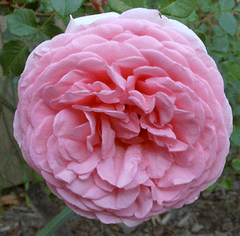
The Hellebores are finally filling in their bed a bit (I put them in as very, very small plants a few years ago to minimize the amount of digging around this big oak)- and there are a lot of babies sprouting too. While they take a while to get going, hellebores add so much to the landscape without requiring much fussing. Insects don't really bother with them and they're not very picky about soil type or ph level. They're stiff enough that the wild cats that have adopted our property don't lay on them like they do on softer plants like my lamb's ear.
Friday, February 24, 2012
Saturday, June 11, 2011
Assassin Bugs on the Asparagus and Rosy Tobacco Blooms
I found a group of assassin bug nymphs huddled together on one of the asparagus plants.
These little guys are a beautiful sight in the garden. Some types can bite so I don't usually handle them. They do a great job eating insect pests so I get to eat more of my veggies. Welcome, I say.
These true bugs (Heteroptera) are likely wheel bug nymphs (Arilus cristatus) from the family Reduviidae. This is the only North American member of this species with all others preferring warmer climes.
Meanwhile in the garden...
Nicotiana alata and red oleander bloom together across a path. There is some Nicotiana langsdorfii in the picture too. Those have only developed their basal rosettes, no flowers yet. The oleander came through this colder-than-usual winter just fine. There was a small amount of dead to trim out, but he's doing so well that once his blooming is done I'm going to prune him back. The lemon verbena behind the flowering tobacco, scented geranium and my stevia (last two planted elsewhere) also seem unperturbed, returning yet again. I don't think they know that they are not supposed to keep coming back so reliably here in North Carolina. Sssssshhhh.
Lilies, day Lilies, and a red rose in bloom with sunflowers and a dramatic mustard in seed.
Monday, April 19, 2010
The Guinea Hen Flower and the Orange Army
About 5 years ago I bought and planted dozens of these checkered flower bulbs. I'm a sucker for the drooping bell shape and the unusual coloration. But the Fritillaria meleagris likes moist but well-drained soils and I've got heavy clay. My garden soil is slowly getting better as I add more and more compost each year.
After I saw not a one of these flowers appear, I purchased a few dozen more and tried again. And failed again - so I thought. Some interesting foliage had sprouted where I buried the bulbs, but I couldn't be sure what it was. Next season, I gave up and didn't plant anymore. Instead I tried to be happy with my successful plantings of Fritillaria uva-vulpis . This other fritillaria is known by the strange moniker Fox's Grape. Foxes must have a very different idea of what a grape is.... While they are also beautiful, they don't have the odd and wonderful checkered shading that I find so appealing in its cousin.
Now years later, the snake head emerges! Here she is at the base of a jessamine/jasmine hybrid vine, nodding serenely. A second bloom at her feet offers a clue to suggest it wasn't just the soil plotting against her. The felled bloom has the fine angled cut of a bunnie's bite on its stem. Rascally rabbits!
The arrival of a clan of feral cats that adopted our property late last summer have made this beautiful vision possible. Although we still have a few visits from the woodland bunnies, they are not nibbling as much of the spring garden this year. The foliage of the Guinea Hen flower has been arriving faithfully and without fanfare, but until now its blooms have been devoured. With the patrols of the orange army of cats - who interestingly enough hail from the same woodlands nearby that is also home to the hungry rabbits - this elegant flower that has become endangered in the wild, is finally safe in my garden.
Thursday, April 8, 2010
Swimming Lessons with the Harlequin Cabbage Bug
The mustard greens have been descended upon by these voracious eaters and pro-creators. The bright red with black stripes make them stand out nicely against my greens. I appreciate this as I enter the garden with my bucket of soapy water and invitations to a buggy pool party.
In our area we have about three generations per year. I find them in groups of 2, 3, and 4 madly working on creating that younger generation. With only 50 to 80 days to complete a life, they've got priorities.
The eggs they lay can generally be found on the backsides of leaves. Just like the adult, the eggs are striking in appearance - little cylinders in black and white, lined up perfectly in sets of 12. Eggs can take as little as 4 days to as long as 29 days to hatch. The length of time required varies with the temperature.
At first, the pool gets crowded pretty quickly. But with each day of lessons, the greens are quieter with fewer and fewer harlequins making merry.
They don't bite so I pick them bare handed. I find it easier to get the bug without damaging the leaf they are sitting on that way. With a gloved hand I'm prone to tearing leaves as I pick. The colorful marauders are very cooperative, staying right where they are as I work through the leaves.
This drowned pair was retrieved from my bucket. Even their undersides are pretty, with the red and black patterning carried over to that side. I wish I could convince them to eat the @#$*! bermuda grass instead of the mustard.
In our area we have about three generations per year. I find them in groups of 2, 3, and 4 madly working on creating that younger generation. With only 50 to 80 days to complete a life, they've got priorities.
Murgantia histrionica
Loners are sucking the life out of the leaves of my mustard, taking a break and refreshing for the next round of whoppee. Further north, they have only one generation in the growing season. And Yankees think southerners are slow - pfft!The eggs they lay can generally be found on the backsides of leaves. Just like the adult, the eggs are striking in appearance - little cylinders in black and white, lined up perfectly in sets of 12. Eggs can take as little as 4 days to as long as 29 days to hatch. The length of time required varies with the temperature.
At first, the pool gets crowded pretty quickly. But with each day of lessons, the greens are quieter with fewer and fewer harlequins making merry.
They don't bite so I pick them bare handed. I find it easier to get the bug without damaging the leaf they are sitting on that way. With a gloved hand I'm prone to tearing leaves as I pick. The colorful marauders are very cooperative, staying right where they are as I work through the leaves.
This drowned pair was retrieved from my bucket. Even their undersides are pretty, with the red and black patterning carried over to that side. I wish I could convince them to eat the @#$*! bermuda grass instead of the mustard.
Saturday, September 26, 2009
Monarda citriodora - Lemon Horsemint, Bee Balm
Sunday, August 16, 2009
Kittens and Spiders - OH MY!
We've done some trap and release type stuff to try to at least lower the pest population, but its time consuming and hasn't made a difference. Plus its not really any kinder than just offing the voles and chipmunks, as distasteful as that is - moving them away from their food stores and familiar areas is just setting the rodents up to die.
The little cuties are all orange and white variations just like their Ma. I'm thinking Marmalade and Dreamsicle, maybe Carrot Top for a few names to start with....
Sunday, August 2, 2009
Ambush Bug Phymatidae PHYMATA Nymph
For any interested - the hot sauce I made of roasted jalapenos and a mix of three different basils is beyond delicious! And best of all, like Paris would say: It's HOT!
Subscribe to:
Posts (Atom)